



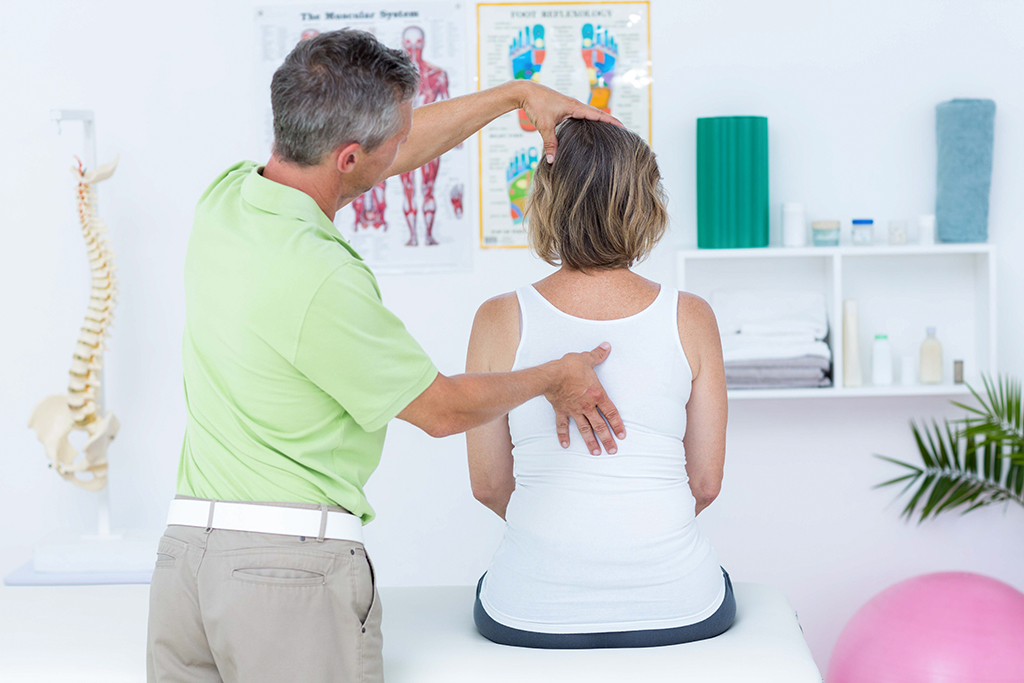
Visceral osteopathy is a treatment method used to improve and balance the health of the internal organs of the human body. In this article, we will give information about the basic principles, benefits and application methods of visceral osteopathy.
Visceral osteopathy is a branch of osteopathy and deals with the tissues and structures associated with the body’s internal organs. The basic principles of osteopathy include focusing on the body’s natural healing ability, improving the mobility of tissues and organs, and regulating the flow of energy in the body. Visceral osteopathy aims to ensure a healthy internal organ function by applying these principles to the internal organs.
Visceral osteopathy has many benefits. First of all, it can help with digestive problems. The digestive system has an important role in helping the body digest and absorb nutrients and remove waste. Visceral osteopathy can alleviate digestive problems and improve digestive system functions by correcting imbalances in the digestive system.
Visceral osteopathy may also be effective in reducing stress and anxiety. Stress and anxiety are common problems of modern life and can lead to many health problems. Visceral osteopathy can help reduce stress and anxiety by reducing tension in internal organs and regulating the flow of energy throughout the body. In this way, you can reach a calmer and more relaxed state of mind.
Visceral osteopathy’s practice methods include manual therapy and yoga and breathing techniques. Manual therapy is the most commonly used application method of visceral osteopathy. In this method, the mobility and balance of internal organs are improved by using osteopathic touches and manipulations . Yoga and breathing techniques are used to regulate the energy flow in the body and reduce stress.
Visceral osteopathy is an effective treatment method to improve the health of internal organs and restore balance in the body. It can help with many health problems, from digestive problems to stress and anxiety. You can improve the health of your body’s internal organs through manual therapy and practice methods such as yoga and breathing techniques.
You can contact us by filling out the appointment form below. Our team will contact you as soon as possible to schedule your appointment.
Basic Principles of Osteopathy
Osteopathy is a treatment method used to support the body’s natural healing process. The basic principles of osteopathy emphasize that all systems of the body are interconnected and health problems can arise as a result of the interaction of one system with another. Therefore, osteopaths address not only the symptoms of diseases but also their root causes.
Visceral osteopathy is a branch of osteopathy and is used to treat problems related to internal organs. Visceral osteopathy aims to improve the movement and function of internal organs in the body. This treatment method can help organs return to their correct positions, improve blood flow, and help the nervous system function better. Visceral osteopathy supports the body’s ability to heal itself and helps maintain a healthy balance.
Benefits of Visceral Osteopathy
Visceral osteopathy is a treatment method that has many positive effects on health. This method of treatment involves manipulation of tissues and structures associated with the body’s internal organs . Visceral osteopathy improves the overall health of the body by promoting the proper functioning of organs.
This treatment method has many benefits. First, visceral osteopathy can help with digestive system problems. Organs not being in the correct position or movement restrictions can cause digestive system problems. Visceral osteopathy optimizes digestive system functions by ensuring that organs are placed in their correct place.
Visceral osteopathy is also effective in reducing stress and anxiety. Stress and anxiety can cause many physiological responses in the body and lead to long-term health problems. Visceral osteopathy helps reduce stress and anxiety by promoting the proper functioning of organs.
Visceral osteopathy practices include manual therapy and yoga and breathing techniques. Manual therapy involves manipulation techniques using the hands and allows organs to be placed in the correct position. Yoga and breathing techniques regulate the energy flow in the body and help the organs function healthily.
May Help Digestive System Problems
Visceral osteopathy is an effective treatment method that can help with digestive system problems. The digestive system is an important system that enables our body to produce energy by digesting food. However, digestive system problems may occur due to various factors, which can negatively affect our daily life.
Visceral osteopathy can play an effective role in treating digestive system problems. This method of treatment applies manual manipulation to muscles and organs to ensure proper functioning of the digestive system . These manipulations can increase the motility of the digestive system, ensure the correct position of organs and improve circulation.
Visceral osteopathy can provide treatment for a variety of causes of digestive problems. For example, it can help with common digestive problems such as heartburn, digestive distress, constipation, and gas. It may also be effective in treating more complex digestive problems, such as irritable bowel syndrome .
However, it is important to remember that visceral osteopathy is not a stand-alone solution to treating digestive system problems. Factors such as a healthy lifestyle, balanced diet and regular exercise are also important to support digestive health. Visceral osteopathy can provide the best results when used in conjunction with these healthy lifestyle factors.
May Reduce Stress and Anxiety
Stress and anxiety are common problems faced by many people today. Fortunately, visceral osteopathy can help with this. Visceral osteopathy is a treatment method that focuses on the body’s internal organs and can be effective in reducing stress and anxiety.
manipulation and massage techniques to ensure proper functioning of the body’s internal organs . This method of treatment helps improve the balance between the digestive system, respiratory system, circulatory system and other internal organs. When this balance is achieved, the body moves into a calmer and more balanced state, reducing stress and anxiety levels.
In addition to being effective in reducing stress and anxiety, visceral osteopathy can also reduce tension and strain in the body. This method of treatment helps release tension and blockages in the body’s internal organs , allowing the body to relax and achieve better balance.
Stress and anxiety can cause many physical symptoms in the body. Symptoms such as headaches, upset stomach, muscle tension and sleep problems indicate the effects of stress and anxiety on the body. Visceral osteopathy can help relieve these symptoms and relax the body, reducing stress and anxiety levels.
Visceral osteopathy can be an effective method of reducing stress and anxiety. By focusing on the internal organs of the body, it improves balance and reduces tension in the body. This method of treatment helps relieve symptoms caused by stress and anxiety and returns the body to a calmer, more balanced state.
Visceral Osteopathy Applications
Visceral osteopathy is a treatment approach that includes many different application methods and treatment techniques. These methods are used to improve and balance the health of organs and internal organ systems in the body. The main goal of visceral osteopathy is to optimize the mobility and function of internal organs.
Visceral osteopathy’s practice methods include manual therapy and yoga and breathing techniques. Manual therapy is a set of manipulation and movement techniques performed by the osteopath using the hands. These techniques help internal organs regain their natural mobility and function properly.
Yoga and breathing techniques are used to balance the energy flow in the body and improve the health of internal organs. These techniques include different exercises such as deep breathing, meditation and various yoga poses. These exercises reduce stress, relax the body and support the natural functions of internal organs.
Different treatment techniques of visceral osteopathy include methods such as mobilization, manipulation , stretching and massage. These techniques increase the mobility of internal organs and ensure balance through manual manipulations applied by the osteopath.
Visceral osteopathy practices are determined specifically for each individual and the treatment plan is adapted to the individual’s needs. Therefore, the treatment process may differ for each individual. Application methods and treatment techniques are carefully evaluated and applied by a professional osteopath.
Manual Therapy
Manual therapy is one of the main application methods of visceral osteopathy. This therapy method includes manual manipulation and touch techniques. Manual therapy is used to improve the health of organs and internal systems in the body.
Manual therapy methods of visceral osteopathy help increase the mobility of organs and restore their balance. With this therapy , the natural functions of the organs are supported and the energy flow in the body is regulated. Manual therapy reduces tension on organs, relaxes tissues and improves blood circulation.
manual therapy , the osteopath professional gently manipulates the organs using his or her hands. These manipulations encourage the natural movement of organs and help release organs when they are stuck or restricted. In this way, the healthy functioning of organs is supported and the general balance and well-being in the body increases.
Manual therapy is an effective application method of visceral osteopathy and is used in the treatment of many health problems. This therapy method can help treat many ailments such as digestive system problems, back and neck pain, hormone imbalances and stress. Manual therapy supports the body’s own healing process and is an important tool for a healthy life.
Yoga and Breathing Techniques
Yoga and breathing techniques play an important role in the treatment of visceral osteopathy. These techniques help regulate the flow of energy in the body and have positive effects on health. Yoga is a form of exercise and meditation that unites the body and mind . Breathing techniques are methods of breathing deeply and consciously.
Using yoga and breathing techniques in visceral osteopathy treatment helps reduce stress accumulated in the body and provide relaxation. Yoga poses and breathing exercises strengthen muscles, increase flexibility and regulate the flow of energy in the body. In this way, it creates positive effects on important organ systems such as the digestive system, respiratory system and circulatory system.
The use of yoga and breathing techniques in visceral osteopathy treatment supports the body’s natural healing process. These techniques release accumulated negative energy in the body and create a healthy balance. It also calms the mind and reduces stress. Practicing yoga and breathing techniques regularly helps improve overall health and well-being.
Frequently Asked Questions
Visceral osteopathy is a treatment method used to improve the health and function of our internal organs. It is based on the basic principles of osteopathy and aims to optimize the mobility, circulation and neural control of our internal organs.
Visceral osteopathy is a treatment method using gentle pressure and manipulation techniques of the hands. The expert osteopath evaluates the tissues and connections of our internal organs and applies appropriate treatment techniques. In this way, the natural mobility and function of our internal organs are supported.
Visceral osteopathy can help with many problems such as digestive system problems, stress, anxiety, menstrual irregularities, back and waist pain. It also has positive effects on general health and well-being, such as ensuring harmony between internal organs and improving circulation.
Visceral osteopathy sessions usually last between 45 minutes and 1 hour. However, treatment duration may vary depending on individual needs and the severity of the problem. The expert osteopath will create a treatment plan specific to your situation.
Visceral osteopathy is generally a treatment method suitable for everyone. However, in some cases, it may not be suitable for people with serious internal organ problems or certain health conditions. Therefore, it is important to share your current health condition before consulting a specialist osteopath.