



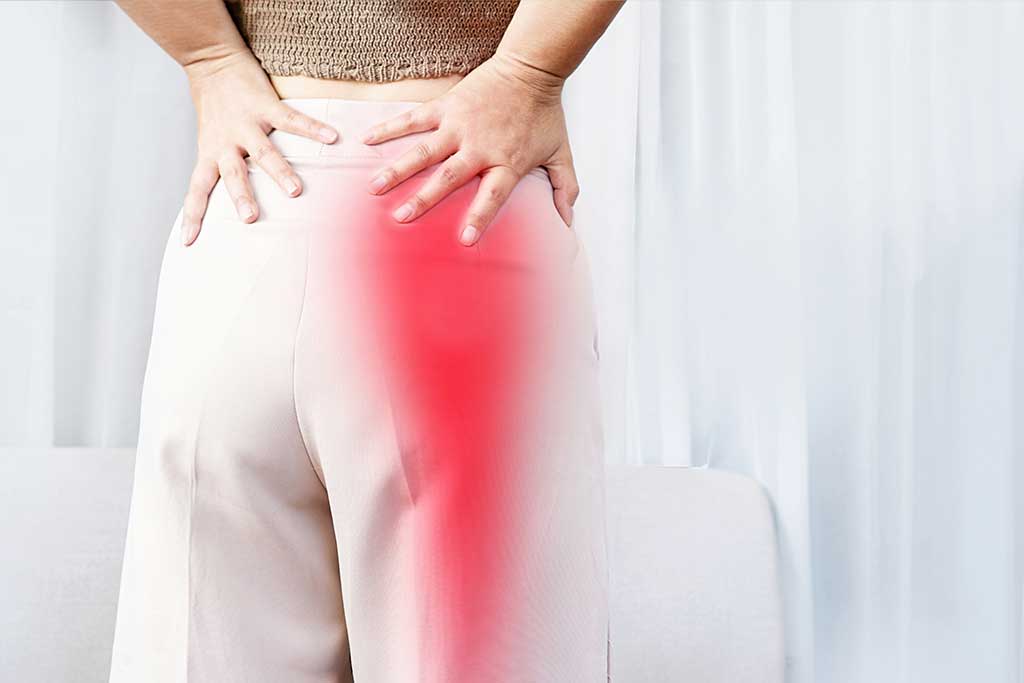
Sciatica is a pain condition that starts from the waist area and spreads to the hips and legs. This pain occurs as a result of compression or irritation of the sciatic nerve. The sciatic nerve is one of the largest nerves, starting from the spine area and extending to the hips and legs.
In this article, we will give information about the causes, symptoms and treatment methods of sciatica. You’ll also learn what you can do to relieve and prevent sciatica pain.
Causes of sciatica include lower back pain, spine problems and muscle weakness. Low back pain is a factor that can cause compression of the sciatic nerve. Spinal problems can contribute to sciatica pain due to structural problems of the spine. Muscle weakness can have an impact on sciatica pain and is a condition that needs to be treated.
Prolonged sitting position can also trigger sciatica pain. Therefore, it is important to change your sitting position regularly and take breaks to move around. Additionally, strengthening muscles with proper posture and exercises can also help you prevent sciatica pain.
Sciatica pain can be treated by various methods. Physical therapy is an effective option for treating sciatica pain. Exercises and therapies performed by physical therapists can help reduce pain and relax the nerve.
Medication is also an option for managing sciatica pain. Painkillers and anti- inflammatory medications can be used to relieve pain and reduce inflammation . However, drug therapy should always be prescribed by a specialist doctor.
In general, sciatica pain is a condition that affects many people. In this article, we gave information about the causes, symptoms and treatment methods of sciatica. You can also learn what you can do to prevent and relieve sciatica pain. Remember, it is important to consult a specialist when you encounter any health problem.
Causes of Sciatica Pain
Sciatic pain is a discomfort that occurs as a result of compression or irritation of the sciatic nerve. This nerve starts from the waist area and extends to the hips, legs and feet. Sciatic pain can have many different causes and can be affected by a variety of factors.
The most common of these is low back pain. Lower back pain may affect the sciatic nerve due to a problem in the lower part of the spine. For example, a slip or herniation in the spinal discs can cause nerve compression. Additionally, structural problems of the spine may also contribute to the emergence of sciatica pain.
Besides this, muscle weakness can also be a cause of sciatica pain. Weak muscles cannot fulfill their function of supporting body weight and the spine, which can lead to nerve compression. Regular exercise to strengthen the muscles can relieve sciatica pain.
Prolonged sitting position can also trigger sciatica pain. Sitting constantly weakens the muscles in the lumbar region and puts pressure on the spine. This can cause compression of the sciatic nerve and pain. Getting up frequently from a sitting position, stretching, and correcting posture can help prevent sciatica pain.
Aside from the factors mentioned above, other factors that can affect sciatica pain may include obesity , pregnancy, stress, and trauma . Keeping body weight under control, exercising regularly, and avoiding stress can help prevent sciatica pain.
Understanding the causes of sciatica is important to choosing the right treatment method. Since each individual’s situation may be different, it is important to consult with your doctor to determine the appropriate treatment plan.
You can contact us by filling out the appointment form below. Our team will contact you as soon as possible to schedule your appointment.
Symptoms of Sciatica Pain
Sciatica is a condition that causes severe pain that starts in the lower back and spreads to the buttocks, legs, and feet. Symptoms of sciatica pain can vary from person to person and include pain, burning, numbness, tingling and weakness, usually felt in one or both legs .
Symptoms of sciatica pain in a person may include:
symptoms felt in one or both legs . These symptoms occur as a result of compression or irritation of the sciatic nerve. Diagnosis of sciatic pain is usually made by physical examination and evaluation of signs and symptoms . Doctors may also order imaging tests, such as an MRI or CT scan, if necessary to assess pain severity and determine the underlying cause.
Backache
Lower back pain is one factor that can cause sciatica. Sciatica pain occurs as a result of compression or irritation of the nerve roots in the lumbar region. Low back pain is associated with conditions such as spinal problems in the lumbar region where the sciatic nerve originates, muscle weakness, or prolonged sitting posture.
Symptoms of lower back pain may include severe pain, stiffness, limited movement, and numbness. Additionally, lower back pain can cause radiating pain in the back. These symptoms are considered signs of sciatica pain and it is recommended to consult a doctor for a correct diagnosis.
Lower back pain is often caused by factors such as incorrect posture, excess weight, irregular exercise, injury or aging. These factors can cause structural problems in the spine and compression of nerve roots. Before the cause of lower back pain is pinpointed, it is important for a doctor to perform a physical examination and imaging tests when necessary.
Spine Problems
Spine problems can play a significant role in causing sciatica pain. Structural problems of the spine can cause nerve roots to become compressed or irritated, leading to sciatica pain.
A primary spine problem is what is known as a herniated disc. A herniated disc occurs when the outer layer of the spinal discs weakens or ruptures, causing their contents to put pressure on the nerve roots. This pressure can cause pain and discomfort at the specific point where the sciatic nerve is affected.
In addition, other structural problems such as spinal curvature or scoliosis may also contribute to sciatica pain. In this case, the spine deviates from its normal alignment, which can cause compression or irritation of the nerve roots. This can lead to sciatica pain.
In addition to spinal problems contributing to sciatica pain, these problems can also cause limited movement and muscle weakness. Deviation of the spine from its correct alignment can throw the body off balance and put extra stress on the muscles. This can lead to muscle weakness and aggravation of sciatica pain over time.
To combat spine problems and relieve sciatica pain, physical therapy and exercises may be recommended. These treatment methods are designed to maintain the correct alignment of the spine, strengthen muscles, and reduce compression of nerve roots.
To summarize, spinal problems are an important factor in the occurrence of sciatica pain. Structural problems of the spine can cause compression or irritation of nerve roots, leading to sciatica pain. Therefore, maintaining spine health and treating spine problems is an important step in managing sciatica pain.
Muscle Weakness
Muscle weakness can have a significant impact on sciatica pain. Weak muscles can increase the severity of sciatica pain by increasing pressure on the spine and nerves. At the same time, weak muscles can throw the body off balance and cause incorrect posture. This may contribute to the occurrence of sciatica pain.
Treatment of muscle weakness consists of exercises to strengthen muscles and maintain balance. Physical therapists often recommend muscle strengthening exercises. These exercises target the waist, hip and leg muscles and strengthen them. As the muscles become stronger, the pressure on the spine and nerves decreases and sciatica pain is relieved.
It is also important to identify and treat factors that cause muscle weakness. For example, incorrect posture or a poor sleeping position can cause muscle weakness. Therefore, it is important to learn proper posture techniques and sleeping positions. Additionally, exercising regularly, maintaining a healthy lifestyle, and paying attention to nutrition can also help prevent muscle weakness.
To summarize, muscle weakness has a significant impact on sciatica pain. Exercises to strengthen muscles and maintain balance can be effective in treating sciatica pain. It is also important to identify and treat factors that cause muscle weakness. In this way, sciatica pain can be relieved and quality of life can be improved.
Sitting Position
Sitting position is a factor that can trigger sciatica pain. In people who stay in a sitting position for a long time, their waist and leg muscles can weaken and put pressure on the sciatic nerve. This may cause sciatica pain to occur.
It is important to take some precautions to prevent sciatica pain caused by sitting position. First, it is necessary to move at regular intervals and avoid sitting for long periods of time. People who work in a sitting position should get up and move for a few minutes every hour. This helps relieve pressure on the sciatic nerve by moving the muscles.
It is also important to maintain the correct sitting position. An upright backrest and proper placement of the feet on the floor helps to properly support the lower back and leg muscles. Additionally, using an ergonomic desk and chair can also reduce sciatica pain caused by the sitting position.
Another point to remember is that sciatica pain caused by sitting position is treatable. Treatment methods such as physical therapy sessions, exercises, and massage can help relieve sciatica pain. However, painkillers and anti- inflammatory medications can also be effective in managing pain.
Sitting position is one of the triggering factors of sciatica pain and therefore it is important to take precautions. Maintaining the correct sitting position, moving regularly and applying treatment methods if necessary are important steps to prevent and relieve sciatica pain.
Treatment of Sciatica Pain
Sciatica pain can be a very uncomfortable condition and is something that needs to be treated. Treatment of sciatica pain may vary depending on the severity, duration and underlying causes of the pain. In this article, we will give information about treatment methods for sciatica and what can be done to relieve the pain.
Treatment of sciatic pain usually begins with conservative methods. First, rest and activity restriction may be recommended. Excessive physical activity can cause increased pain and delayed healing. Additionally, simple treatments you can do at home, such as cold application or heat application, can also relieve pain.
Physical therapy is an effective method for treating sciatica pain. Physical therapy sessions may include a variety of exercises to strengthen muscles, increase flexibility and relieve pain. Additionally, techniques such as massage, manual therapy and electrotherapy can also be used.
Medication is another option for managing sciatica pain. nonsteroidal Anti-inflammatory drugs ( NSAIDs ) may be used to relieve pain and reduce inflammation. Painkillers and muscle relaxants can also help control pain. However, medication treatment only temporarily relieves symptoms and does not solve the underlying problem.
Surgery is a last resort for treating sciatica pain and is usually considered when other treatment methods are ineffective or if the condition is serious. Surgery may be performed to relieve nerve compression or correct spinal problems.
The most appropriate method for treating sciatic pain may vary depending on the individual situation and symptoms . Therefore, it is important to consult a doctor and get a professional evaluation. Your doctor will determine the most appropriate treatment plan for you.
Physiotheraphy
Physical therapy is an effective option for treating sciatica pain. This method of treatment uses a variety of techniques to relieve pain and reduce symptoms . Physical therapy includes exercises designed to strengthen muscles, increase flexibility and reduce pressure on the spine.
A physical therapist creates a customized treatment plan for patients with sciatica pain. This plan often includes exercises, manual therapy , and other physical interventions. Exercises are designed to strengthen muscles and increase flexibility. These exercises target the lower back and leg muscles and help reduce pressure on the spine to relieve pain.
Manual therapy involves manual manipulations administered by a physical therapist. These manipulations relax the muscles, increase joint mobility and reduce pressure on the spine. The physical therapist selects appropriate techniques according to the patient’s condition and adapts the treatment individually.
Physical therapy may also include hot and cold therapies . Heat therapy is used to relax muscles and increase blood flow, while cold therapy is used to reduce inflammation and relieve pain. These therapies may help relieve symptoms of sciatica pain.
While physical therapy is an effective option for treating sciatica pain, it can also be used in conjunction with other treatment methods to relieve pain and reduce symptoms . For example, it can be applied together with options such as drug therapy, surgical intervention and alternative treatment methods. However, it is important to consult a healthcare professional to determine the most appropriate treatment plan for each patient.
Medication
Medication can be an effective option for managing sciatica pain. This method of treatment involves various medications used to relieve pain and control symptoms .
Medications used to treat sciatica are generally painkillers and anti- inflammatory drugs. Painkillers are used to reduce pain and provide relief. Anti- inflammatory drugs can relieve pain by reducing inflammation.
However, the same medication treatment method may not be suitable for everyone. Medication treatment options may vary depending on a person’s symptoms , pain level, and health condition. Therefore, it is important to consult a doctor and determine appropriate treatment options.
Side effects of drug therapy should also be considered. Some medications can cause side effects such as stomach upset, dizziness, or drowsiness. Therefore, it is important to follow your doctor’s instructions and be informed about possible side effects during medication treatment.
Additionally, medication alone may not be enough. Other treatment options, such as physical therapy, exercises, and alternative treatment methods, may also help relieve pain. It is important to determine the most appropriate treatment plan with your doctor.
Frequently Asked Questions
Sciatic pain is a discomfort that occurs as a result of compression or irritation of the sciatic nerve. This pain can be felt starting from the waist area, buttocks, legs and feet.
There may be many causes of sciatica pain. The most common causes include spinal problems, herniated disc, spinal stenosis , spondylolisthesis and muscle weakness.
Symptoms of sciatica include lower back pain, hip pain, numbness and tingling in the leg, weakness in the leg, and loss of sensation in the foot.
Yes, lower back pain can cause sciatica. Structural problems in the waist or a herniated disc can compress the sciatic nerve and cause pain.
Yes, prolonged sitting position can trigger sciatica pain. Therefore, it is important to get up and move at regular intervals and maintain the correct sitting position.
Treatment of sciatica pain varies depending on the underlying causes. Methods such as physical therapy, exercises, painkillers and muscle relaxants can be used. However, it is important to consult a specialist before starting treatment.
Physical therapy can be effective in treating sciatica pain. Pain can be relieved and nerve compression can be reduced with methods such as exercise programs, massage, manual therapy and hot-cold therapy applied by experts .
Medication can be used to manage sciatica pain. Painkillers, anti- inflammatory drugs, and muscle relaxants can be used to relieve pain and relax muscles. However, it is important to consult a doctor before using medication.