



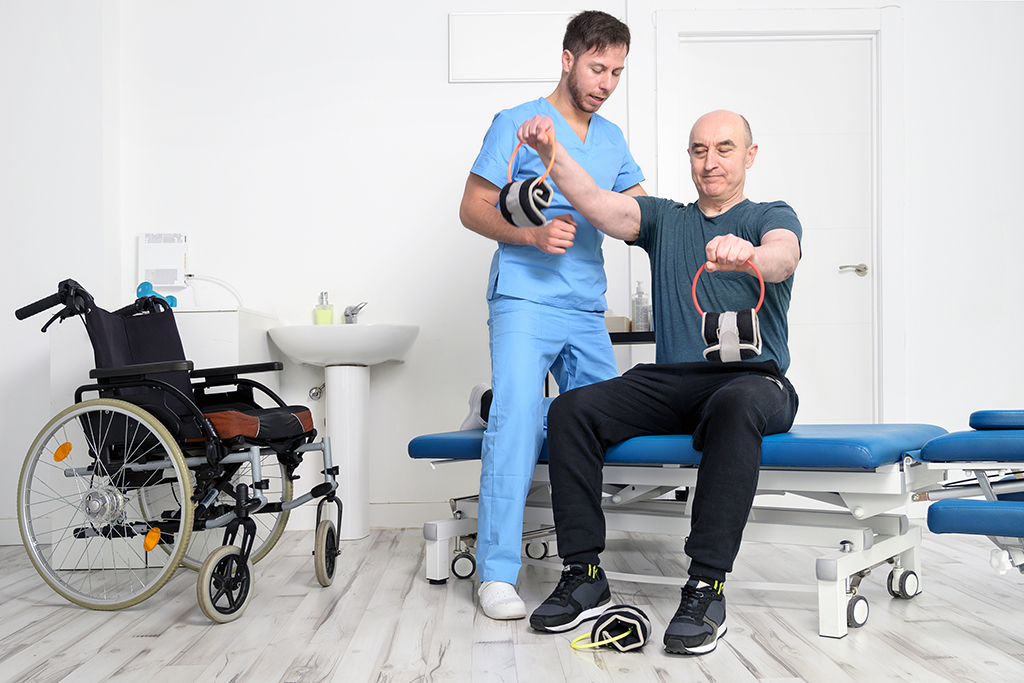
Orthopedic Treatments
Orthopedic treatments are methods applied to treat muscle, bone, joint and nervous system problems occurring in the body. These treatments aim to improve the person’s quality of life and restore mobility. Orthopedic treatments are examined in two main categories: non-surgical treatment options and surgical methods.
Non-surgical treatment options allow patients to solve their problems without surgical intervention. These options include physical therapy, medication, and injections . Physical therapy aims to increase the patient’s mobility with exercises, massage and manipulation techniques applied by expert physiotherapists. Drug treatment involves regular use of medications to reduce pain and keep inflammation under control. Injections are medication injections made directly to the area where the problem is .
Orthopedic surgery is the treatment method used in cases requiring surgery. These methods include joint replacement , heel spur surgery and scoliosis surgery. Joint prosthesis is the removal of worn or damaged joint surfaces and replacement with a prosthesis. It is the process of placing the implant . Heel spur surgery is a surgical intervention performed to treat painful conditions in the heel. Scoliosis surgery is an operation performed to correct curvatures in the spine.
Orthopedic treatments are applied with different methods depending on the patient’s condition and the severity of the problem. The treatment process for each patient may be different and the recovery process may vary from person to person. Therefore, it is important to follow the recommendations of the specialist doctor in orthopedic treatments and not to neglect regular check-ups.
Non-Surgical Treatment Options
Orthopedic treatments are known as a subject that is immediately associated with surgery in most people’s minds. However, in many cases, there are non-surgical treatment options. These treatments are effective methods used to relieve patients’ pain, increase mobility and improve quality of life.
Physical therapy is a frequently used non-surgical option for treating orthopedic problems. Physical therapists help patients strengthen muscles, increase flexibility and improve mobility. This treatment method uses exercises, massage, electrotherapy and other techniques to reduce pain and promote functional recovery .
Medication is another non-surgical treatment option used to relieve symptoms and reduce inflammation of orthopedic conditions. Doctors may prescribe medications such as painkillers, anti- inflammatory drugs, and muscle relaxants to patients. These medications reduce pain, reduce swelling, and increase mobility.
Injections are also among the non-surgical orthopedic treatment options. This method of treatment involves patients injecting medication directly into the affected area. For example, corticosteroids into the joint injection may be used to reduce inflammation and relieve pain. Additionally, hyaluronic acid injections may also increase joint mobility and help protect joint cartilage.
These non-surgical treatment options can be effective in treating many orthopedic problems. However, the most appropriate treatment method for each patient should be determined by the doctor. Your doctor will recommend the best treatment option based on your condition and symptoms . Nonsurgical treatments relieve pain and promote functional recovery for many patients.
You can contact us by filling out the appointment form below. Our team will contact you as soon as possible to schedule your appointment.
Orthopedic Surgery
Orthopedic surgery is a treatment process performed by various methods. These surgical methods are generally used to treat bone, joint and muscle problems. Orthopedic surgery is performed to improve the patient’s quality of life and reduce pain.
These surgical methods are used in a variety of situations. For example, situations such as treatment of fractures, joint prosthesis applications, and scoliosis surgery are areas where orthopedic surgery is needed.
Types of orthopedic surgery also include joint replacement surgeries. Joint replacement is a surgical method used to replace a damaged or worn joint. These surgeries are generally performed on hip and knee joints. Thanks to joint replacement surgeries, patients are relieved of pain and have better mobility.
In addition, the healing process is also important during orthopedic surgery treatment. Postoperative rehabilitation is necessary for the patient to fully recover and return to normal daily activities. Methods such as physical therapy, exercises, medication and regular follow-up enable patients to recover faster and more effectively.
Orthopedic surgery is a treatment method performed by specialist physicians. A different treatment plan is created for each patient and the surgical procedure is determined according to the patient’s condition and needs. Therefore, orthopedic surgery practices require a personalized approach for each patient.
Orthopedic surgery methods are important treatments that increase patients’ quality of life and improve their health. When applied properly, thanks to these surgical methods, patients can get rid of pain, regain their mobility and lead a more active life.
Joint Prosthesis
Joint replacement surgery is a treatment method used to regenerate damaged or worn tissue in the joint due to joint disorders or injuries. This surgical procedure offers an effective solution for patients with symptoms such as joint pain, stiffness, and limited mobility.
Joint replacement surgery is usually used on large joints such as the hip, knee or shoulder. This surgical procedure is performed by removing damaged cartilage and bones in the joint and replacing them with an artificial prosthesis . The prosthesis reduces pain by restoring joint function and helps the patient perform daily activities more comfortably.
Joint replacement surgery, osteoarthritis , rheumatoid It is used to treat various conditions such as arthritis , fractures, and joint inflammation. This surgical procedure is an effective option to improve patients’ quality of life, restore mobility, and reduce pain.
joint replacement surgery, patients enter the recovery process. The recovery process may vary depending on the patient’s age, general health and the complexity of the surgical intervention. Usually, patients begin physical therapy after surgery and participate in a rehabilitation program for a certain period of time. This program is designed to increase joint mobility, regain muscle strength, and enable return to normal daily activities.
Heel Spur Surgery
Heel spur surgery is a treatment option for patients with heel spur disease. This surgery can help relieve severe pain due to heel spurs. Surgery is usually considered when other treatment methods have not worked.
The surgery is usually performed under local anesthesia . The doctor makes an incision in the area with the heel spur and removes the protrusion on the heel bone. This procedure reduces pain and helps the patient regain mobility.
Post-operative care is very important. Patients usually use crutches or a walker for a while immediately after surgery. In order for the surgical area to heal, it should be dressed as recommended by the doctor and the area should be kept clean. It is also important to use the medications prescribed by the doctor regularly.
The healing process may differ for each patient. Usually, pain and swelling after surgery can last for several weeks. Physical therapy sessions and exercises can help the patient get rid of heel spurs completely. Complying with the instructions given by the doctor and not neglecting regular check-ups will accelerate the healing process.
Scoliosis Surgery
Scoliosis surgery is a surgical method used to treat scoliosis . Scoliosis is a condition characterized by the spine curving sideways. This condition may occur when the spine curves to the right or left and may progress over time. Scoliosis surgery is performed to straighten the spine and bring it into correct alignment.
Scoliosis surgery is generally preferred in cases of progressive or severe scoliosis . Surgical intervention is performed to correct the curvature of the spine and improve the patient’s quality of life. There are different application methods for scoliosis surgery. These methods include posterior , anterior and combination surgery.
The rehabilitation process after scoliosis surgery is very important. After surgery, physical therapy and exercise programs help the patient’s spine heal. It is also important to maintain proper posture and avoid activities that put excessive stress on the spine. Compliance with regular follow-up and control appointments after scoliosis surgery is also among the factors that affect the success of the treatment process.
Fracture Treatment
Fracture treatment is a treatment method applied when bones are broken. Fractures often occur due to falls, trauma , or overexertion and may require immediate medical attention.
The methods used in the treatment of fractures are:
The fracture healing process may vary depending on the type and location of the fracture and the person’s health condition. Generally, the healing process of bones takes between 6 and 8 weeks. During the healing process, your doctor will perform regular check-ups and, if necessary, take x-rays to check the healing status of the bones.
Rehabilitation stages are also an important part of fracture treatment. Rehabilitation consists of exercises to regain mobility and strengthen muscles after a fracture. Physiotherapists prepare appropriate rehabilitation programs for patients and guide them throughout the treatment process. The rehabilitation process may vary depending on the type and severity of the person’s fracture.
Remember, fracture treatment may differ for each individual and it is important to follow your doctor’s recommendations. Early intervention and appropriate treatment methods in fracture treatment are important to ensure a rapid and healthy recovery.
Orthopedic Appliances and Prostheses
Orthopedic appliances and prostheses are important assistive devices that improve the quality of life for many people. These devices and prostheses are important tools used in the treatment of various orthopedic problems and improve the mobility of patients. Orthopedic devices are devices that are used on the person’s body and support mobility. Prosthetics are artificial limbs that replace a lost limb.
The use of orthopedic instruments is designed to make patients’ daily lives more convenient and comfortable. For example, canes or walkers can be used for people who have difficulty walking. These devices help the person maintain balance and provide support while walking. In addition, more advanced devices such as wheelchairs and battery-powered vehicles also provide great convenience for people with mobility problems.
Prosthetics are artificial limbs that replace a lost limb. For example, a prosthetic leg can be used for a person who has lost a leg . Prostheses help the person regain mobility and enable him or her to continue activities of daily living. Prostheses can be specifically designed to suit a person’s needs and should be chosen appropriately.
Orthopedic appliances and prostheses have an important role in helping a person cope with mobility problems, while also improving the quality of life. Therefore, it is important for people struggling with orthopedic problems to choose appropriate devices and prostheses and use them correctly. Seeking help from a qualified healthcare professional and performing regular maintenance ensures that appliances and prostheses have a long life and best meet the needs of the person.
Orthosis Use
Orthoses are special devices used to treat or support injuries or conditions in specific areas of the body. It is important to have information about the types, areas of use and benefits of orthoses to choose the right treatment method.
The first type of orthoses are used to provide stabilization or restrict movement. For example, it is a wrist orthosis used to stabilize the wrist after an ankle sprain . These types of orthoses speed up the healing process and prevent additional injuries by limiting the movement of the injured area.
The second type of orthoses is used to provide support and stabilize body weight. For example, it is a knee orthosis used to reduce overload on the knee joint . These types of orthoses relieve pain and ensure correct posture by reducing stress on the joint.
The third type of orthoses is used to correct deformities or support the development of a properly growing child. For example, it is a back brace used to treat scoliosis . These types of orthoses correct deformities and support normal growth and development by ensuring correct alignment .
of orthoses should be prescribed by a qualified healthcare professional. Choosing the right orthosis should be made depending on the patient’s needs and the goal of treatment. Additionally, it is important to use and maintain the orthosis properly. Correct use of the orthosis increases the effectiveness of the treatment process and accelerates the healing process.
Prosthesis Selection and Care
Prosthesis Selection:
Prosthesis selection should be made in accordance with the individual’s needs and lifestyle. The first step is to determine the purpose for which the prosthesis will be used. Prostheses can be used for a variety of reasons, such as joint loss, disability, or congenital conditions. It is important to consult a specialist to choose the appropriate prosthesis .
The choice of prosthesis also depends on the individual’s body structure and activity level. Body dimensions must be taken into account to ensure that the prosthesis fits correctly and is comfortable. Additionally, the activities in which the prosthesis will be used should also be taken into consideration. For example, the choice of sports prosthesis may be different for an individual who wants to do sports .
Denture Care:
Regular maintenance is required for the prosthesis to function properly and extend its life. Prosthetic care includes cleaning and control procedures.
Using a prosthesis may be a little difficult at first. However, over time, a period of adaptation occurs and the prosthesis becomes more comfortable to use. Choosing the right prosthesis by consulting an expert and following the care recommendations will help you use your prosthesis in the best way.
Frequently Asked Questions
Orthopedic treatments cover a range of medical methods that address bone, muscle, joint and nervous system problems. These treatments can range from non-surgical options to surgical interventions.
Non-surgical orthopedic treatment options include physical therapy, medication and injections . These methods are used to reduce pain, increase mobility, and speed healing.
Orthopedic surgery is used to treat bone fractures, joint disorders, spine problems and other serious orthopedic conditions. Surgical intervention is necessary when other treatment options have failed or if the situation is urgent.
Joint replacement surgery involves replacing a damaged or worn joint with a prosthesis. This surgical method is applied to reduce joint pain, restore mobility and improve quality of life.
Heel spur surgery is performed to treat a painful condition in the heel. In this surgery, the protrusion or spine on the heel bone is removed and a special care plan is applied for the healing process.
Scoliosis surgery is performed to correct abnormal curvatures in the spine. In this surgical method, correction is achieved using metal rods and screws on the spine and the post-operative rehabilitation process begins.
Fracture treatment may vary depending on the type and location of the fracture. Treatment options include immobilization of the fracture with a cast, surgery, and rehabilitation . The healing process of a fracture usually takes time for the bones to fuse and strengthen.
Orthopedic appliances are selected based on individual needs and discomfort. By consulting an expert, tools with the right size, shape and features can be selected. Additionally, ease of use and comfort should also be taken into account.
Orthoses are devices used to support, stabilize or correct certain areas of the body . When worn correctly, it can reduce pain, increase mobility and speed healing.
Prosthesis selection should be made according to individual needs and activities. Experts ensure the prosthesis has the correct size, fit and functions. Denture care includes regular cleaning, checking and necessary adjustments.