



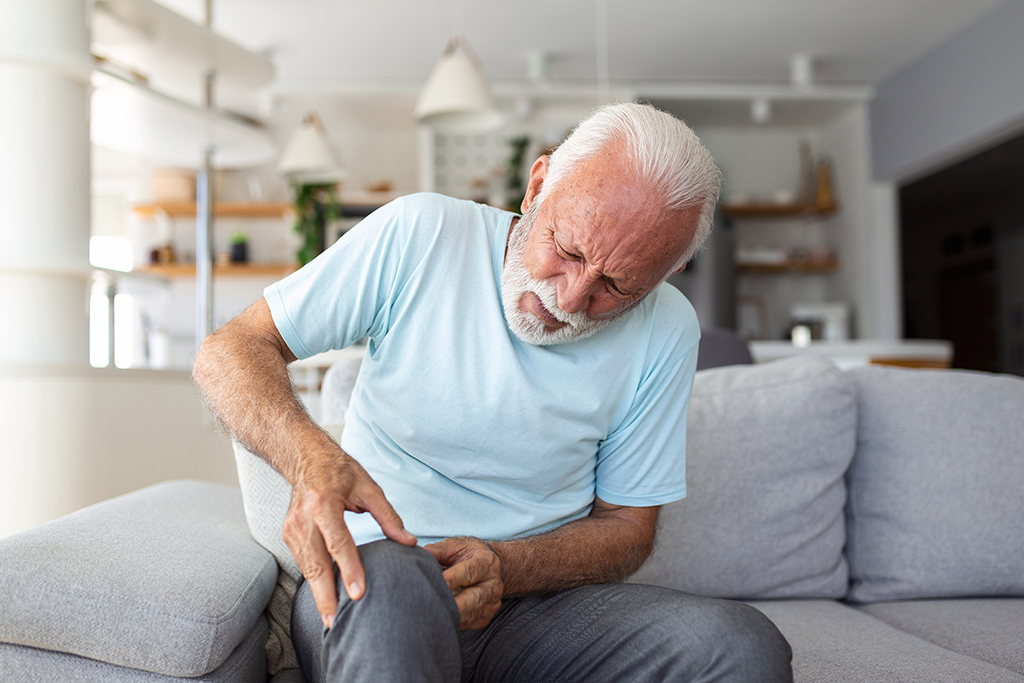
Knee pain is a common problem experienced by many people. Knees, which enable us to move in daily life, can sometimes cause pain. In this article, you will find informative information about the causes, treatment and prevention of knee pain.
Causes of Knee Pain
The causes of knee pain can depend on many factors. Often, conditions such as overuse, trauma, or aging can lead to knee pain. Additionally, health problems such as excess weight, muscle weakness, arthritis, tendon injuries, or bone fractures can also contribute to knee pain.
Some people may have a genetic predisposition, which may increase the risk of knee pain. Additionally, poor posture and movement habits, such as low activity levels and constant sitting or standing, can also cause knee pain.
Sports injuries are also among the causes of knee pain. Particularly high-impact sports such as football, basketball and tennis can put excessive pressure on the knees and cause pain. In addition, foot structural problems such as wrong shoe selection or flat feet can also be considered among the causes of knee pain.
In addition, the aging process can also contribute to the occurrence of knee pain. As we age, joint cartilage can weaken and wear away, causing knee pain. Hormonal changes, especially during menopause, can reduce bone density, and conditions such as osteoporosis can also be among the causes of knee pain.
In general, the causes of knee pain can be complex and occur through a combination of factors. Therefore, an evaluation and diagnosis by a healthcare professional is important to determine the causes of knee pain and choose appropriate treatment methods.
Treatment of Knee Pain
Treatment of knee pain includes various methods and practices depending on the cause of the pain. Methods used for the treatment of knee pain include physical therapy, medication, surgical intervention and alternative treatment methods.
Physical therapy plays an important role in treating knee pain. Physical therapists apply a variety of exercises and therapy techniques to reduce pain and increase mobility of patients. This treatment method can be effective for strengthening muscles, increasing flexibility, and ensuring stability of the knee.
Medication is another treatment method used to relieve knee pain and reduce inflammation. Nonsteroidal anti-inflammatory drugs (NSAIDs) are widely used to control pain and inflammation. Additionally, painkillers and corticosteroid injections are other drug treatment options used to treat knee pain.
Surgical intervention may be considered when knee pain is severe and other treatment methods are not effective. Surgery is an operation to correct structural problems of the knee, repair injuries, or replace the joint. This method of treatment may include different procedures depending on the patient’s condition and the cause of the pain.
Alternative treatment methods may also be preferred in the treatment of knee pain. For example, treatments such as acupuncture, massage therapy, and herbal medicine are used to relieve pain and provide relief. However, more research is needed on the effectiveness of these treatment methods.
You can contact us by filling out the appointment form below. Our team will contact you as soon as possible to schedule your appointment.
Physical Therapy
Physical therapy plays an important role in treating knee pain and provides many benefits. This treatment method is used to relieve pain, increase mobility and strengthen the patient. Physical therapy offers a treatment plan customized to individual needs and aims to improve the patient’s quality of life.
Physical therapy for patients with knee pain includes a variety of exercises to strengthen muscles, increase flexibility, and expand range of motion. These exercises strengthen the muscles around the knee while also supporting and stabilizing the joint. Physical therapy uses a variety of methods, such as manual therapy techniques, massage and stretching exercises, to reduce pain and facilitate movement.
Additionally, physical therapy may include modalities such as electrotherapy, ultrasound, and hot and cold therapy, depending on the patient’s condition. These modalities are used to reduce pain, control inflammation, and speed healing. Physical therapy also teaches the patient about proper posture and body mechanics so he or she can perform daily activities more effectively and painlessly.
All of these treatment methods and techniques emphasize the important role of physical therapy in treating knee pain. Physical therapy is an important tool for patients to reduce pain, regain mobility, and lead a more active daily life. Therefore, it is important for patients experiencing knee pain to work with physical therapists and follow their treatment plan.
Medication
Medication is a commonly used treatment method for knee pain. This method of treatment involves the use of various medications to relieve pain, reduce inflammation, and increase mobility. Drug treatment is determined by the doctor depending on the patient’s symptoms and pain level.
Drug treatment usually includes different medications such as painkillers, anti-inflammatory drugs and corticosteroids. Painkillers are used to relieve pain, while anti-inflammatory medications help reduce inflammation. Corticosteroids are injected into inflamed areas to reduce pain and swelling.
Medication may also include supplements that support joint health, such as chondroitin sulfate and glucosamine. These supplements may help reduce knee pain by promoting the regeneration of joint cartilage.
The effects of drug therapy may vary individually and may produce different results in each patient. In some patients, pain and inflammation subside quickly, while in others it may take longer. Medication is often used in combination with other treatment methods and is monitored regularly by a doctor.
To summarize, medication is a treatment method used to relieve knee pain and reduce inflammation. This treatment method includes a variety of medications, such as painkillers, anti-inflammatory drugs, corticosteroids, and joint health-supporting supplements. Drug therapy may produce different results in each patient and should be used in conjunction with other treatment methods.
Surgical intervention
Surgical intervention is a treatment option used in case of knee pain. The severity and cause of knee pain determine the necessity of surgical intervention. Surgical intervention is generally preferred when other treatment methods are ineffective or the patient’s condition is serious.
Surgical intervention is an operation performed to solve the underlying problem of knee pain. These operations are generally performed to correct the internal structure of the knee joint or to repair damaged tissues. After surgical intervention, patients’ pain is observed to decrease and their mobility is increased.
The results of surgical intervention may vary depending on the patient’s condition and the success of the operation. After a successful surgical intervention, patients’ pain decreases and their quality of life increases. However, surgical interventions always involve risks and complications may develop. Therefore, it is important to talk to your doctor in detail and evaluate the risks before surgical intervention.
Surgery should be considered as a last resort in treating knee pain. First of all, surgical intervention is decided after other treatment methods have been tried. Your doctor will make a detailed evaluation and decide together with you to determine the most appropriate treatment option for your situation.
Alternative Treatment Methods
There are many alternative treatments to deal with knee pain. These methods offer different treatment options outside of conventional medicine and can help relieve knee pain. The effects of alternative treatment methods may vary from person to person, but they can be quite effective for some patients.
Acupuncture can be used as an alternative treatment method. Acupuncture involves inserting thin needles into specific points to regulate the flow of energy in the body. It may be particularly effective for relieving knee pain and may also help reduce stress.
Another alternative treatment method is massage therapy. Massage is a practice used to relax muscles and increase blood circulation. It can reduce muscle tension caused by knee pain and relieve pain. Massage therapy can also provide relaxation and stress reduction.
Herbal treatments are also among the alternative treatment methods for knee pain. For example, some herbs such as ginger and turmeric have anti-inflammatory properties and may help relieve knee pain. Besides this, some herbal extracts and oils can also help reduce pain.
Another alternative treatment method is exercises such as yoga and tai chi. These exercises can increase the body’s flexibility, strengthen muscles and improve balance. It can help correct muscle weakness and imbalance caused by knee pain.
Remember, it is important to consult a specialist before applying any alternative treatment method. Your specialist can determine the most appropriate treatment option for you and help you implement it correctly.
Preventing Knee Pain
Knee pain is a common problem experienced by many people. However, there are some methods to prevent knee pain. It is important to learn about the precautions that can be taken and the exercises that should be done to prevent knee pain.
As a first step, it is important to practice correct posture and movement techniques. To protect your knees, it is important to maintain proper posture and avoid incorrect movements. By standing upright, you can distribute the weight evenly and avoid putting extra stress on your knees.
Additionally, regular exercise is also effective in preventing knee pain. You can do exercises to strengthen the knee muscles and increase their flexibility. In particular, exercises that target the leg muscles can help support your knees. Additionally, low-impact aerobic exercises can help you improve your fitness without putting too much stress on your knees.
In addition, choosing appropriate shoes is also important in preventing knee pain. You can avoid putting extra pressure on your knees by using shoes that support your feet and have shock-absorbing properties. Additionally, limiting the use of high-heeled shoes may also help prevent knee pain.
Remember, there are precautions that can be taken and exercises that need to be done to prevent knee pain. Practicing correct posture and movement techniques, regular exercise, and choosing appropriate shoes can help protect your knees. However, if you continue to experience knee pain, it is important to consult a doctor.
Correct Posture and Movement Techniques
Correct posture and movement techniques are of great importance in preventing knee pain. Wrong posture and movements can put excessive stress on the knees and cause pain. Therefore, practicing correct posture and movement techniques is important to maintain knee health.
Correct posture maintains the balance of the body by preserving the natural curves of the spine. When standing, the shoulders should be pulled back, the chest should be slightly forward, and the abdominal muscles should be slightly tightened. This posture prevents excessive load on the knees and prevents pain.
Movement techniques are important to protect your knees in daily life. You can apply the following techniques to protect your knees:
Practicing proper posture and movement techniques will not only prevent knee pain, but will also improve your overall health. Therefore, do not forget to pay attention to correct posture and movement techniques in your daily life.
Healthy Lifestyle
A healthy lifestyle has significant effects and benefits in preventing knee pain. To cope with knee pain, it is important to adopt healthy living habits and incorporate them into your daily routine. A healthy lifestyle helps strengthen your knees, reduces pain and prevents future problems.
The first step is to exercise regularly. In addition to strengthening your knees, exercise increases their flexibility and maintains joint health. Low-impact exercises, such as activities such as walking, cycling or swimming , can be effective in reducing knee pain. Also, if you are overweight, losing weight can also relieve pain by reducing the load on your knees.
A healthy lifestyle also includes healthy eating. Consuming foods with anti-inflammatory properties may help reduce knee pain. Foods such as fish, turmeric, ginger and green leafy vegetables, especially those containing omega-3 fatty acids, can reduce inflammation and relieve knee pain.
In addition, managing stress and paying attention to sleep patterns are also part of a healthy lifestyle. Stress can cause inflammation in the body and increase knee pain. To cope with stress, you can try relaxation techniques such as yoga, meditation or deep breathing. Additionally, getting enough sleep helps your body begin the healing process and reduce knee pain.
A healthy lifestyle is one of the important steps that can be taken to prevent knee pain. Exercising, eating healthy, managing stress and paying attention to sleep patterns will help you maintain the health of your knees and reduce pain.
Knee pain can have many causes. These may include injuries, overuse, arthritis, arthritis, connective tissue weakness and rheumatic diseases.
To prevent knee pain, you should pay attention to correct posture and movement techniques. It is also important to maintain a healthy lifestyle, exercise regularly and keep your weight under control.
Treatment of knee pain may vary depending on the underlying causes that need to be treated. Methods such as physical therapy, drug therapy and surgical intervention can be used. Alternative treatment methods may also be effective.
Physical therapy plays an important role in treating knee pain. Physical therapy sessions include specific exercises to strengthen muscles, increase flexibility and stabilize joints. In this way, pain decreases and mobility improves.
Medication is used to relieve knee pain and reduce inflammation. Nonsteroidal anti-inflammatory drugs (NSAIDs) and painkillers are among the medications commonly used to treat knee pain.
Surgery is considered a last resort for treating knee pain. Surgical intervention may be required, especially in cases of serious injuries, cartilage damage or progressive calcification.
Yes, some alternative treatment methods can be effective in treating knee pain. Methods such as acupuncture, massage therapy, herbal treatments and physiotherapy can relieve pain and promote healing.