


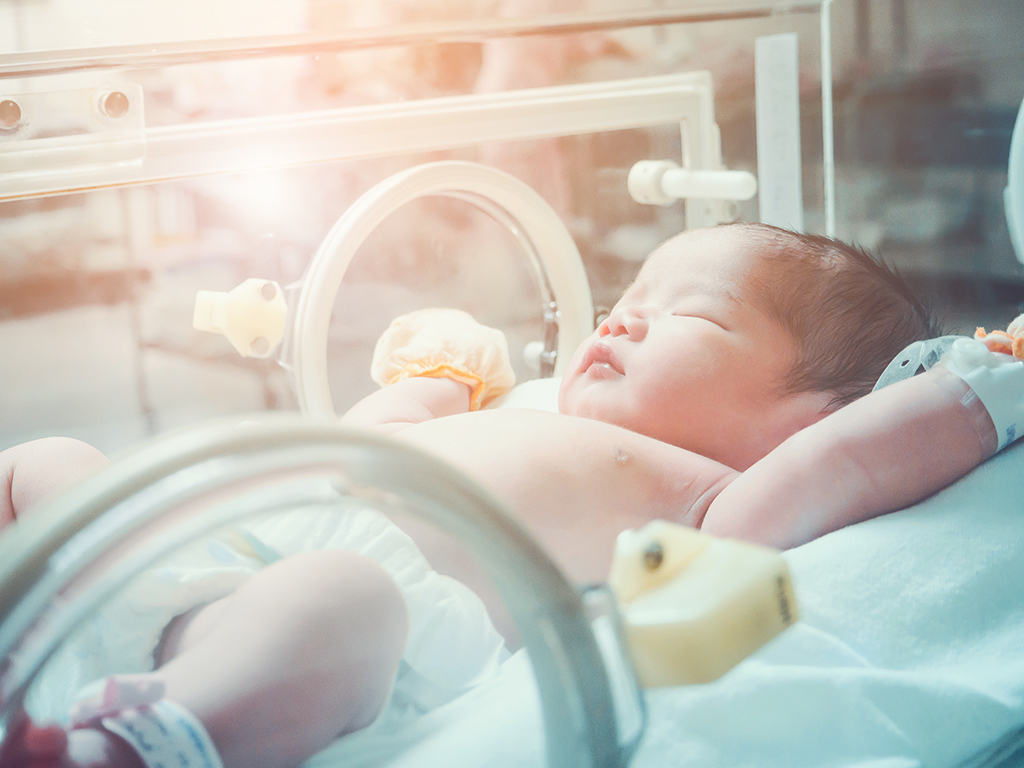
Craniosynostosis is a condition seen in babies and can lead to deformity of the skull. While the skull normally expands during the growth and development process in babies, in the case of craniosynostosis, some of the sutures of the skull fuse prematurely. This early fusion prevents the normal deformation of the skull and causes an abnormal shape in the skull.
Craniosynostosis usually shows symptoms in infants. These symptoms may include abnormal shape of the skull, rapid growth around the head, facial asymmetry, eye anomalies, and sometimes delayed mental development. Craniosynostosis is usually a genetic condition, but sometimes its cause is not fully known.
Some cases of craniosynostosis are an inherited condition and may run familially. For example, genetic disorders such as Apert syndrome and Crouzon syndrome are associated with craniosynostosis and can also cause other symptoms such as facial and hand anomalies. However, the cause of some cases of craniosynostosis is not fully known and research is ongoing on this subject.
Treatment of craniosynostosis is a condition that usually requires surgical intervention. The aim of the surgery is to ensure normal development of the skull. A surgical procedure called craniocentesis is used to open closed stitches in the skull. Cranioplasty is a surgical procedure used to correct the shape of the skull. In some cases, orthodontic treatment may also be used to correct the development of teeth and jaws in children with craniosynostosis.
Topics to be discussed in the article about craniosynostosis and an introductory sentence
Craniosynostosis is a condition seen in babies and can lead to deformity of the skull. This article will discuss topics such as craniosynostosis symptoms, causes and treatment options. It will also begin with a general introductory sentence about craniosynostosis and then provide more information about symptoms, causes, and treatment options.
Craniosynostosis is a condition that is usually seen in babies and can lead to deformity of the skull. In this condition, the skull’s sutures close earlier than normal, so the skull cannot grow normally. Symptoms of craniosynostosis occur when the skull is deformed and the head has an abnormal shape.
Symptoms of craniosynostosis in babies may include:
These symptoms are usually noticed in babies’ first months or early in life. If your baby has any of these symptoms, it is important to see a doctor. Early diagnosis and treatment can reduce the effects of craniosynostosis and help the baby grow normally.
Symptoms of craniosynostosis usually occur in babies and can lead to deformity of the skull.
Symptoms of craniosynostosis usually occur in babies and can lead to deformity of the skull. This is a condition that prevents the normal development of the baby’s skull. In babies, the sutures of the skull should normally be open so that the skull can expand as the brain grows. However, in case of craniosynostosis, the sutures of the skull close prematurely and the baby’s skull becomes deformed.
Symptoms of craniosynostosis include abnormal shape of the skull, head appearing flat or long, asymmetry in the forehead and face, eyes protruding or having a different shape, changes in the placement and shape of the ears, irregular placement of the teeth, and breathing problems.
These symptoms are usually noticed in infancy and a doctor must be consulted for diagnosis. The doctor can diagnose craniosynostosis by performing a physical examination and ordering imaging tests such as x-rays or MRI if deemed necessary.
Although craniosynostosis is generally a genetic condition, it is sometimes defined as a skull anomaly whose cause is unknown. This condition may cause the baby’s skull to not develop normally and cause deformities. The causes of craniosynostosis include genetic factors and some unknown factors.
Craniosynostosis is sometimes an inherited condition and may run in families. That is, he or she may inherit the condition from one or both parents. Genetic causes of craniosynostosis include genetic disorders such as Apert syndrome and Crouzon syndrome.
Apert syndrome is a genetic disorder that causes craniosynostosis along with other symptoms such as facial and hand anomalies. This syndrome can lead to premature closure of the skull and deformities in babies.
Crouzon syndrome is also a genetic disorder associated with craniosynostosis. This syndrome can cause facial and eye anomalies and premature closure of the skull.
The cause of some cases of craniosynostosis is not fully known and research is ongoing on this subject. Scientists are working to better understand other factors and causes that trigger this condition.
You can contact us by filling out the appointment form below. Our team will contact you as soon as possible to schedule your appointment.
In general, the causes of craniosynostosis are related to both genetic factors and unknown factors. Although it is still not fully understood why this condition occurs, more information is being gained through genetic testing and research.
Craniosynostosis is usually a genetic condition, but sometimes the cause is unknown.
Craniosynostosis is generally considered a genetic condition. This condition can cause skull deformity in babies. The skull normally consists of bones connected by sutures that allow movement. However, in babies with craniosynostosis, these stitches close prematurely and the skull cannot grow normally.
However, the exact cause of some cases of craniosynostosis is unknown. Research shows that environmental factors, genetic mutations, or a combination can lead to craniosynostosis. However, the exact reasons for this condition are still not fully understood.
Some cases of craniosynostosis may show familial transmission. That is, if there is a person with craniosynostosis in the family before, this condition may also be seen in other family members. This condition is often associated with a genetic disorder.
Other genetic disorders seen in babies with craniosynostosis include Apert syndrome and Crouzon syndrome. These syndromes can also cause symptoms such as facial and hand anomalies along with craniosynostosis. However, not every case of craniosynostosis is associated with these syndromes.
The cause of some cases of craniosynostosis is still unknown. In this case, investigations are ongoing and efforts are being made to uncover unknown causes.
Craniosynostosis is generally considered a genetic condition and can sometimes run in families. This condition is characterized by premature closure of the skull’s sutures. The sutures must close early to ensure normal development of the skull. However, in some cases, the stitches close earlier than normal, causing deformity in the skull.
Genetic causes of this condition include Apert syndrome and Crouzon syndrome. Apert syndrome is a genetic disorder that causes facial and hand anomalies along with craniosynostosis. Crouzon syndrome is also a genetic disorder associated with craniosynostosis and can lead to facial and eye anomalies. These syndromes occur as a result of mutations in the child’s genetic structure.
However, the exact cause of some cases of craniosynostosis is unknown and research is ongoing. Scientists think that environmental factors, as well as genetic factors, may also play a role in the development of craniosynostosis. However, the exact causes are still undetermined and further study is required.
Craniosynostosis is sometimes an inherited condition and may run in families.
Craniosynostosis is sometimes an inherited condition and may run in families. This condition is characterized by premature closure of the skull’s sutures as a result of a genetic disorder. If one or both parents have craniosynostosis, their children are more likely to have it as well.
In most cases of hereditary craniosynostosis, genetic mutations or changes play a role. These mutations can cause errors in the production or function of proteins that affect the normal development of the skull. This condition can cause abnormalities in the shape of the skull and damage to brain development within the head.
Types of craniosynostosis that may show familial transmission include Apert syndrome and Crouzon syndrome. Apert syndrome is a genetic disorder that causes craniosynostosis along with other symptoms such as facial and hand anomalies. Crouzon syndrome is also a genetic disorder associated with craniosynostosis and can lead to facial and eye anomalies.
However, the exact cause of some cases of craniosynostosis is unknown and research is ongoing. Researchers think that environmental factors, as well as genetic factors, may also play a role in the development of craniosynostosis. Although the exact cause of this condition has not yet been determined, genetic counseling is recommended in cases of craniosynostosis that may show familial transmission.
Apert syndrome is a genetic disorder associated with craniosynostosis. This syndrome is characterized by a premature fusion of the skull bones and can also cause other symptoms, such as facial and hand anomalies. Apert syndrome is usually inherited in an autosomal dominant manner, meaning it is caused by a gene mutation passed on from one parent.
In individuals with Apert syndrome, premature fusion of the skull bones prevents normal growth of the skull. This causes the head to develop smaller and more cramped than normal . Additionally, abnormalities may also occur in facial bones and tissues. For example, symptoms such as a narrow upper jaw, drooping eyelids, a high nose bridge, and abnormal shapes in the fingers may occur.
Surgical intervention is often necessary in the treatment of Apert syndrome. Surgeries are performed to ensure normal development of the skull and to correct facial and hand anomalies. Surgical interventions may include reshaping the skull, correcting facial and eye anomalies, and surgically straightening the fingers.
Treatment of individuals with Apert syndrome requires a multidisciplinary approach. Pediatric surgeons, plastic surgeons, orthodontists and other specialists come together to create an individual treatment plan. Treatment usually begins in childhood and continues depending on age and symptoms.
Apert syndrome is a genetic disorder that causes craniosynostosis along with other symptoms such as facial and hand anomalies.
Apert syndrome is a genetic disorder that causes craniosynostosis along with other symptoms such as facial and hand anomalies. This syndrome is usually an inherited condition and may be transmitted in families. In individuals with Apert syndrome, skull deformity occurs as a result of premature closure of the skull sutures. This condition also causes significant anomalies on the face and hands.
In individuals with Apert syndrome, facial symptoms include a high forehead, eyes protruding forward, drooping eyelids, flattened nose, and lower jaw pulled back. Additionally, abnormalities may also occur in the fingers and toes. Fingers may be stuck together or bent. The toes may be split or hammer-shaped.
Apert syndrome is usually diagnosed through physical examination and imaging tests performed after birth. Treatment usually requires surgical intervention. Surgeries are performed to ensure normal development of the skull and to correct facial and hand anomalies. These surgeries are performed by expert surgeons and planned individually.
A multidisciplinary approach is required to improve the quality of life of individuals with Apert syndrome. This approach may include different treatment options such as speech therapy, physical therapy, orthodontic treatment and psychological support, as well as surgical interventions. It is important for individuals with Apert syndrome to receive lifelong follow-up and support.
Crouzon syndrome is a genetic disorder associated with craniosynostosis and can lead to facial and eye anomalies. This syndrome is characterized by premature closure of the sutures of the skull. Individuals with Crouzon syndrome often have a short and broad facial structure, and a significant prominence may be seen in front of their eyes.
Symptoms of this syndrome may include a high forehead, excessive protrusion of the eyes, drooping eyelids, a significant distance between the eyes, nasal deformities, and dental problems. Additionally, individuals with Crouzon syndrome may also experience breathing difficulties, hearing loss, and problems with brain development.
Crouzon syndrome is usually transmitted as a genetic disorder and may run familially. The cause of this syndrome is not fully known, but in some cases it is thought to be due to gene mutations. The diagnosis of Crouzon syndrome is usually made through physical examination and x-ray examinations.
Treatment of Crouzon syndrome usually requires surgical intervention. Surgeries are performed to ensure normal development of the skull and correct facial deformities. These surgeries may include skull expansion, reshaping of facial bones, and correction of eye anomalies.
A multidisciplinary approach is adopted in the treatment process of individuals with Crouzon syndrome. This may require collaboration from plastic surgeons, otolaryngologists, orthodontists, and other specialists. The treatment process usually begins in childhood and may continue depending on age and symptoms.
Crouzon syndrome is also a genetic disorder associated with craniosynostosis and can lead to facial and eye anomalies.
Crouzon syndrome is a genetic disorder associated with craniosynostosis. This syndrome can lead to facial and eye anomalies. In individuals with Crouzon syndrome, the normal development of the skull is disrupted and abnormalities in the shape of the skull occur due to closed stitches. This may cause differences in the face and eyes.
In individuals with Crouzon syndrome, significant facial deformities may be observed. Symptoms such as protrusions, especially in the forehead area, more prominent eyes, drooping eyelids, flattening of the bridge of the nose, and receding of the lower jaw may occur. Additionally, eye anomalies are also a common condition. Problems such as crossing the eyes (strabismus) or rolling the eyes downward (hypotropia) may occur.
Since Crouzon syndrome is a genetic disorder, it may show familial transmission. If a family member has a case of Crouzon syndrome, other family members may experience similar symptoms. In this case, genetic counseling and testing play an important role. Treatment of individuals with Crouzon syndrome usually requires surgical intervention. With surgical procedures, normal development of the skull is ensured and facial and eye anomalies are corrected.
There are also cases of craniosynostosis that occur for unknown reasons. The cause of these cases is not fully known and investigations are ongoing. Scientists think that environmental factors as well as genetic factors may contribute to this condition.
Since craniosynostosis is a rare condition, the number of cases that occur for unknown reasons is limited. However, examining and researching these cases helps advance knowledge about craniosynostosis. Craniosynostosis cases that occur for unknown reasons attract the attention of scientists and require further research.
Research into exactly why this condition occurs shows that genetic mutations may play a role in children with craniosynostosis. In addition, it is thought that environmental factors may also have an impact. For example, certain chemicals or infections that the mother is exposed to during pregnancy may increase the risk of craniosynostosis. However, more work needs to be done on this subject.
The exact cause of some cases of craniosynostosis is unknown and research is ongoing.
The exact cause of some cases of craniosynostosis is unknown and research is ongoing. Craniosynostosis is generally considered a genetic condition and may run in families. However, in some cases the cause is unclear and this situation is still under investigation.
Scientists are investigating genetic factors and environmental influences to understand the causes of craniosynostosis. Genetic factors can be associated with changes in genes contained in an individual’s DNA . Environmental effects mean that environmental factors, such as radiation or medication use, can increase the risk of craniosynostosis.
Research shows that craniosynostosis is a complex condition and may occur due to the interaction of multiple genes. Therefore, scientists continue to work to understand how these genes interact and how craniosynostosis develops.
However, although the cause of craniosynostosis has not been fully determined, it is possible to improve children’s quality of life with early diagnosis and treatment. Doctors recommend that if you notice symptoms of craniosynostosis in your child, you should contact a specialist immediately. Specialists will evaluate your child’s condition and recommend appropriate treatment options.
Treatment of craniosynostosis is a condition that usually requires surgical intervention, and the aim of the surgery is to ensure the normal development of the skull. In this article, we will discuss some options for treating craniosynostosis.
Craniocentesis: Craniocentesis is a surgical procedure to open closed stitches in the skull. This procedure is performed to correct the shape of the skull and support brain development. Craniocentesis is usually performed early on and ensures normal growth of the baby’s skull.
Cranioplasty: Cranioplasty is a surgical procedure used to correct the shape of the skull. In this procedure, a prosthesis or implant is used to correct the shape of the skull. Cranioplasty is usually performed after craniocentesis and allows the skull to grow properly.
Orthodontic Treatment: In some cases, orthodontic treatment may be used to correct the development of teeth and jaws in children with craniosynostosis. This treatment method ensures the correct alignment of the child’s teeth and jaw and improves the symmetry of the face. Orthodontic treatment is usually applied together with surgical interventions.
These treatment options are recommended by specialist physicians for patients with craniosynostosis and are applied according to the individual situation. The most appropriate treatment method for each patient is determined based on the doctor’s evaluation and the patient’s specific needs.
Treatment of craniosynostosis is a condition that usually requires surgical intervention, and the aim of the surgery is to ensure the normal development of the skull.
Treatment of craniosynostosis is a condition that usually requires surgical intervention, and the aim of the surgery is to ensure the normal development of the skull. This treatment option may vary depending on the child’s age, symptoms, and type of craniosynostosis.
The most common treatment method is craniocentesis. Craniocentesis is a surgical procedure to open closed stitches in the skull. During this procedure, the surgeon cuts the stitches of the skull and loosens or completely removes the stitches to allow normal growth of the skull. This way, the baby’s skull can develop normally.
In some cases, a surgical procedure called cranioplasty may be required. Cranioplasty is a method used to correct the shape of the skull. The surgeon uses a specially designed implant or prosthesis to correct the shape of the skull. Thanks to this process, the skull is allowed to return to its normal shape.
Orthodontic treatment can be used to correct the tooth and jaw development of children with craniosynostosis. This treatment method is usually applied together with surgical intervention. The orthodontist uses devices such as braces or plates to straighten the child’s teeth and jaw. In this way, the development of the child’s teeth and jaw is normalized.
Craniosynostosis treatment should be planned specifically for each individual’s condition. Treatment options and process should be determined by a specialist doctor. Careful follow-up and rehabilitation before and after surgery are also important. In this way, healthy growth and development of children with craniosynostosis can be ensured.
Craniocentesis is a surgical procedure to open closed stitches in the skull. This procedure is performed to ensure the normal development of the skull and correct the deformity.
Craniocentesis is usually performed by a surgeon and is done under general anesthesia. During the procedure, a small incision is made on the closed stitches and the stitches are opened. This allows the skull to grow and develop.
After the craniocentesis procedure, the skull is expected to return to its normal shape and adapt to the baby’s brain development. The healing process usually takes a few weeks and babies usually recover quickly.
After the procedure, bandages or a special helmet can be used on babies’ heads for a while. This is important to ensure proper healing of the skull and correction of the deformity.
Craniocentesis is a frequently used method in the treatment of craniosynostosis. However, because every case is different, it is important to follow your doctor’s recommendations and treatment plan.
Craniocentesis is a surgical procedure to open closed stitches in the skull.
Craniocentesis is a surgical procedure to open closed stitches in the skull. Craniosynostosis is a condition that occurs as a result of premature fusion of the skull. Normally, babies have stitches between the skull bones, and having these stitches open allows the skull to grow. But in the case of craniosynostosis, these stitches fuse prematurely and the skull begins to grow faster than normal.
Craniocentesis is performed to open closed stitches in the skull. In this surgical procedure, the surgeon makes an incision in a specific area of the skull and opens closed stitches. In this way, normal growth of the skull is ensured and the deformity is corrected.
Craniocentesis is usually done at a young age because the skull in babies still has the potential to grow. During the procedure, anesthesia is administered and the surgeon makes an incision to access the inside of the skull. Once the closed stitches are removed, the skull can return to its normal shape and the baby’s brain development is not affected.
Craniocentesis is an important treatment option for babies with craniosynostosis. This procedure ensures normal growth of the baby’s skull and corrects the deformity. However, surgical intervention may not be required in all cases. Your doctor may offer different treatment options depending on your baby’s condition.
Cranioplasty is a surgical procedure used to treat craniosynostosis. This procedure is performed to correct the shape of the skull and ensure its normal development. Cranioplasty is usually performed to open closed stitches that prevent the skull from growing properly.
Cranioplasty is usually performed by a surgeon and the patient may need to be under general anesthesia. During the procedure, the surgeon makes an incision on the skull and opens closed stitches to correct the shape of the skull. He then corrects the shape of the skull using a special material to ensure normal development of the skull.
After the cranioplasty procedure, the patient’s skull continues to grow normally and the deformities seen in the skull are corrected. The recovery process usually takes a few weeks and the patient is monitored with regular check-ups.
Cranioplasty is an important treatment option to improve the quality of life of children with craniosynostosis and ensure normal development of the skull. Successful results can be achieved when this surgical procedure is performed by a specialist surgeon.
Cranioplasty is a surgical procedure used to correct the shape of the skull.
Cranioplasty is a surgical procedure used to correct the shape of the skull. This procedure is usually performed in children with craniosynostosis. Craniosynostosis is a condition that occurs when the sutures of the skull close prematurely and prevents the normal development of the skull.
Cranioplasty can be performed using several different methods used to correct the shape of the skull. These methods include implants or prostheses used to correct the shape of the skull. These implants or prostheses are used to ensure proper growth of the skull.
Cranioplasty is usually performed by a surgeon and is usually done in a hospital. During the procedure, the surgeon makes the necessary incisions to correct the shape of the skull and places implants or prostheses. The procedure is usually completed successfully and helps the child’s skull develop normally.
After the cranioplasty procedure, the child’s recovery process is important. During the healing process, precautions should be taken to protect the child’s head and prevent wounds from becoming infected. It is also important for the child to attend regular doctor check-ups and participate in physical therapy or rehabilitation programs when necessary.
Overall, cranioplasty is an effective treatment option to correct the shape of the skull of children with craniosynostosis. Thanks to this procedure, the child’s skull can develop normally and the quality of life can be improved.
Orthodontic treatment is a treatment option used to correct the tooth and jaw development of children with craniosynostosis. This treatment method aims to correct dental and jaw problems that may occur due to skull deformity.
Orthodontic treatment usually begins in childhood and can continue into adulthood. The course of treatment may vary depending on the child’s individual needs and the severity of craniosynostosis.
Orthodontic treatment uses different methods to straighten a child’s teeth and jaw. These methods may include braces, appliances and plates. These treatment options are applied gradually to ensure that the child’s teeth and jaw move into the correct position.
Orthodontic treatment can also help correct the child’s facial structure. Orthodontic treatment may be used to correct facial and eye anomalies caused by craniosynostosis. This treatment method aims to improve the symmetry and aesthetics of the child’s face.
Orthodontic treatment is an effective option to correct and improve the dental and jaw health of children with craniosynostosis. This treatment method ensures that the child has a healthy smile and can eat comfortably in daily life.
In some cases, orthodontic treatment may be used to correct the development of teeth and jaws in children with craniosynostosis.
In some cases, teeth and jaw development problems may occur in children with craniosynostosis. In this case, orthodontic treatment option can be used. Orthodontic treatment is a treatment method used to ensure proper development of teeth and jaw.
Orthodontic treatment is usually performed using various devices such as brackets, wires and appliances. These devices are used to ensure the correct alignment of the teeth and the correct position of the jaw. The course of treatment is determined by the individual needs of the child with craniosynostosis and can often take several years.
Orthodontic treatment can provide aesthetic and functional improvement by ensuring that the teeth and jaws of children with craniosynostosis develop properly. Additionally, correct tooth and jaw alignment can positively impact a child’s speaking and chewing abilities.
The orthodontic treatment process may require regular check-ups and regular adjustment of devices. It is important that your child communicates regularly with the dentist throughout the treatment process and follows the recommended treatment plan.
Remember, orthodontic treatment may not be suitable for every child with craniosynostosis. Treatment options should be determined based on your child’s individual condition and needs. Therefore, it is important to discuss your child’s condition with a qualified dentist.
Frequently Asked Questions
Craniosynostosis is a condition characterized by premature closure of the skull. This condition prevents the normal development of the skull and can lead to deformities.
Symptoms of craniosynostosis usually appear in infancy. These symptoms include skull deformity, protruding eyes, asymmetrical ears, and a difficult birth process.
Craniosynostosis is generally a genetic condition and may run in families. However, in some cases, the exact cause is not known.
Apert syndrome is a genetic disorder that causes craniosynostosis along with other symptoms such as facial and hand anomalies.
Crouzon syndrome is also a genetic disorder associated with craniosynostosis and can lead to facial and eye anomalies.
Treatment of craniosynostosis usually requires surgical intervention. These surgeries are performed to ensure normal development of the skull.
Craniocentesis is a surgical procedure to open closed stitches in the skull.
Cranioplasty is a surgical procedure used to correct the shape of the skull.
In some cases, orthodontic treatment may be used to correct the development of teeth and jaws in children with craniosynostosis.