



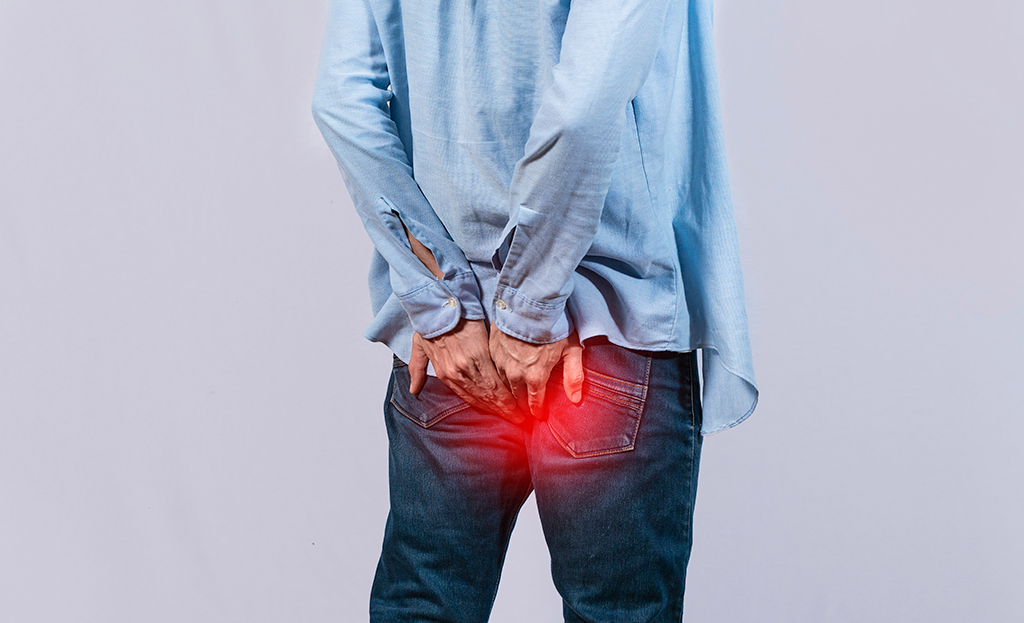
In this article, issues related to coccyx pain and an introductory sentence will be discussed. Coccyx pain is the discomfort and pain felt in the coccyx. This pain is usually felt when sitting or standing up and can negatively affect daily life. Coxalgia and coccydynia are different types of coccyx pain. It is important to understand the differences between these conditions and know how to treat them.
What is Coccyx Pain?
Coccyx pain is a severe pain felt in the coccyx area. This pain is usually caused by problems with the bones, muscles or nerves in the coccyx area. The most common causes of coccyx pain include trauma, infection, tumors and congenital anomalies. This condition often causes increased pain when sitting or standing and can negatively affect activities of daily living. Coccyx pain can be relieved and managed with appropriate treatment methods.
What is the Difference Between Coxalgia and Coccydynia?
Coxalgia and coccydynia are two different conditions associated with coccyx pain. While coccalgia refers to pain in the coccyx area, coccydynia refers to inflammation of the coccyx bone. Symptoms of coccydynia include pain, infection, inflammation and tenderness in the coccyx, while symptoms of coccydynia include severe pain in the coccyx, discomfort when sitting and limitation of movement. Although the symptoms of these two conditions are similar, their causes and treatment methods may differ.
Coxalgia Symptoms
Coxalgia is a painful condition in the coccyx area. Symptoms of this condition include severe pain, discomfort and limited movement. Additionally, symptoms such as increased pain when sitting or standing up and relief of pain after sitting for a long time may also be observed.
The diagnosis of coxalgia is usually made by physical examination and evaluation of symptoms. The doctor listens to the patient’s story to determine the severity and duration of pain. He or she may also check for tenderness or swelling in the coccyx area. In some cases, x-ray, MRI, or other imaging tests may also be used.
Coxalgia Treatment
Treatment of coccalgia is carried out using various methods and medications to relieve coccyx pain. These treatment methods include physical therapy, massage, hot and cold applications, exercises and posture adjustments. Additionally, medications such as painkillers, anti-inflammatory drugs, and muscle relaxants may also be used to reduce pain.
Symptoms of Coccydynia
Coccydynia is a condition that causes pain and discomfort in the coccyx area. In this case, pain, tenderness and swelling may be felt in the coccyx area. Additionally, even simple activities such as sitting, standing, or remaining motionless for long periods of time can cause pain.
To diagnose coccydynia, doctors usually evaluate the patient’s symptoms and perform a physical examination. Additionally, imaging tests such as x-rays or magnetic resonance imaging (MRI) may also be used. These tests are done to detect any injury, infection, or other problems in the coccyx area.
You can contact us by filling out the appointment form below. Our team will contact you as soon as possible to schedule your appointment.
Coccydynia Treatment
Treatment of coccydynia is carried out using various methods and medications to relieve coccyx pain. Treatment options include painkillers, anti-inflammatory medications and muscle relaxants. Additionally, alternative treatment methods such as physical therapy and massage can also be used. Treatment of coccydynia is determined individually, depending on the severity and cause of the pain. These treatment methods and medications are used effectively to relieve coccyx pain and improve the person’s quality of life.
Causes of Coccyx Pain
Coccyx pain can be caused by many different reasons. The most common causes include trauma, infections and prolonged sitting position. Additionally, obesity, pregnancy, aging and some medical conditions are among the risk factors for coccyx pain. In this article, you can find more information about the causes and risk factors of coccyx pain.
injuries
Injuries are an important factor that can lead to coccyx pain. These injuries usually occur as a result of falls, impacts or trauma during sports activities. While injuries can cause coccyx pain, they can also lead to serious consequences such as fractures, dislocations and bruises.
Treatment options for coccyx pain due to injuries usually begin with rest, ice application and painkillers. Additionally, physical therapy and rehabilitation programs can also be used to speed recovery after injury. The course of treatment may vary depending on the severity of the injury and the individual situation. Therefore, it is important to consult a qualified healthcare professional.
infections
Infections are another factor that causes coccyx pain. In this case, infection occurs in the coccyx area and causes pain. Infections can often be bacterial or viral in origin and are important to treat.
Treatment options for coccyx infections are usually made using antibiotics or antiviral medications. Depending on the severity of the infection, surgical intervention may sometimes be required. Depending on the type of infection and its extent of spread, your doctor will determine the appropriate course of treatment.
However, preventing infections is also important. Paying attention to personal hygiene rules can reduce the risk of infection. Avoiding injuries to the coccyx area and being careful about cleaning can reduce the possibility of infection.
Infections are one of the main causes of coccyx pain and need to be treated. When symptoms of infection are observed, it is important to contact a healthcare professional.
Coccyx pain is the name given to the pain felt in the coccyx area. It can often be caused by reasons such as trauma, infection or prolonged sitting.
While coccalgia is a general name given to the pain felt in the coccyx region, coccydynia refers to the inflammation of the coccyx bone. Coccydynia is a subcondition that can cause coxalgia.
Symptoms of coxalgia may include pain in the coccyx area, increased pain when sitting or standing, limitation of movement and tenderness. You may also experience swelling or redness in the area.
In the treatment of coxalgia, painkillers or anti-inflammatory drugs can be used to relieve pain. Physical therapy, exercises and hot or cold compresses applied to the coccyx area are also among the treatment options.
Symptoms of coccydynia may include pain in the coccyx area, pain that increases when sitting or standing up, pain that worsens with prolonged sitting, and tenderness in the area.
To treat coccydynia, painkillers or anti-inflammatory medications may be used to relieve pain. Physical therapy, hot or cold compresses applied to the coccyx area, and sometimes surgical intervention are among the treatment options.
Common causes of coccyx pain may include injuries, infections, prolonged sitting, birth trauma, and abnormalities in the coccyx bone.
Injuries can damage the tissues in the coccyx area and cause inflammation, causing pain. Situations such as falls, blows or traumatic birth can be given as examples of injuries.
Infections can cause inflammation and pain in the coccyx area. Bacterial or viral infections are common causes of coccyx pain.